


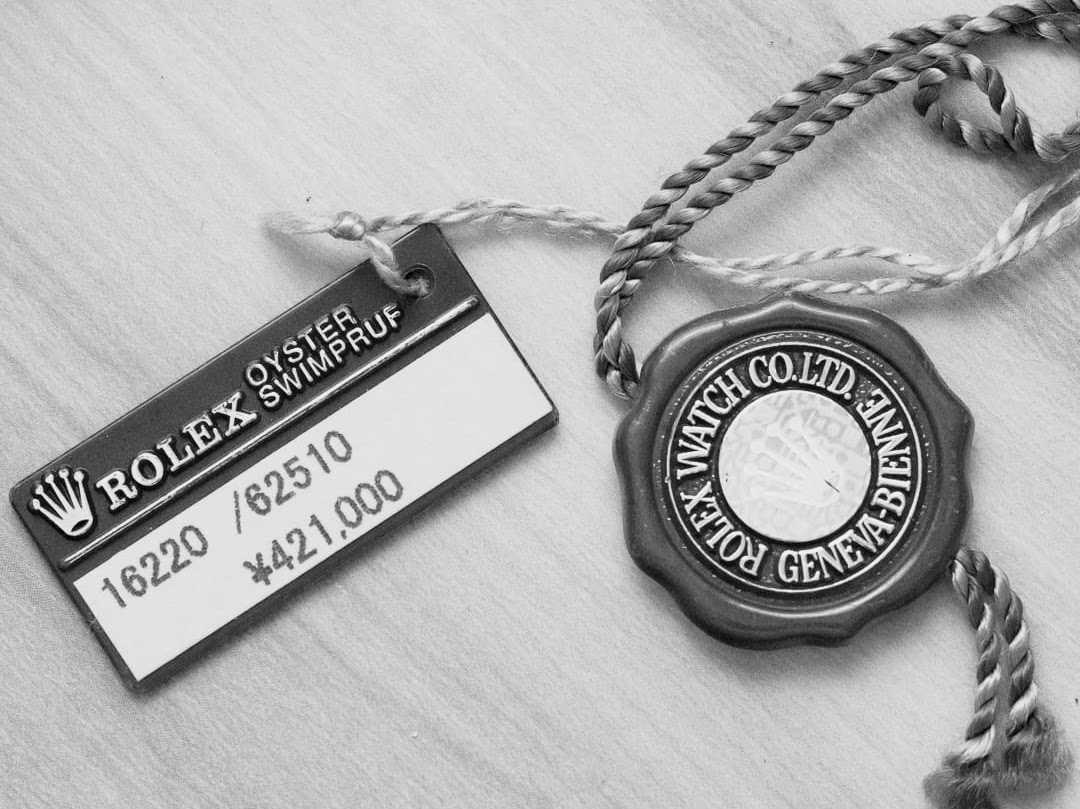

When it comes to watches, the advice of my friend and “young watchmaker in the old town” Dario is priceless. So when he recommended reaching out to the co-founder of Veritas Watches for the neo-vintage piece I was pursuing, I didn’t hesitate—especially when I found out his name was also Alex. And indeed, after a few minutes on the phone, I felt like I’d made another watch friend. On the way to meet him in Lausanne to collect my piece, I listened to a podcast interview of him and his business partner Tim. For anyone who understands French, it’s a brilliant and transparent insight into the world of watch dealers through the lens of two passionate collectors who became dealers almost by chance.
There was a lot to unpack but one topic particularly resonated with me: sourcing watches from Asia. Despite being an “asiaphile”, I originally avoided watches with an Asian original warranty when I first got into vintage and neo-vintage watches: the first dealer I’d bought a “serious” watch from, twelve years ago, had told me to stick to pieces with papers stamped by European or US authorized dealers, for better resale value. Yet, in my own journey over the years, I’ve actually had my best vintage experiences with watches sources in Asia. The podcast interview helped me start to understand why. So when I came over to collect my watch from the Veritas chic and cosy showroom in Lausanne, I asked Alex if he was open to an impromptu interview on the topic. Here we go.
When you started, the consensus on buying from Asia was very different. What changed?
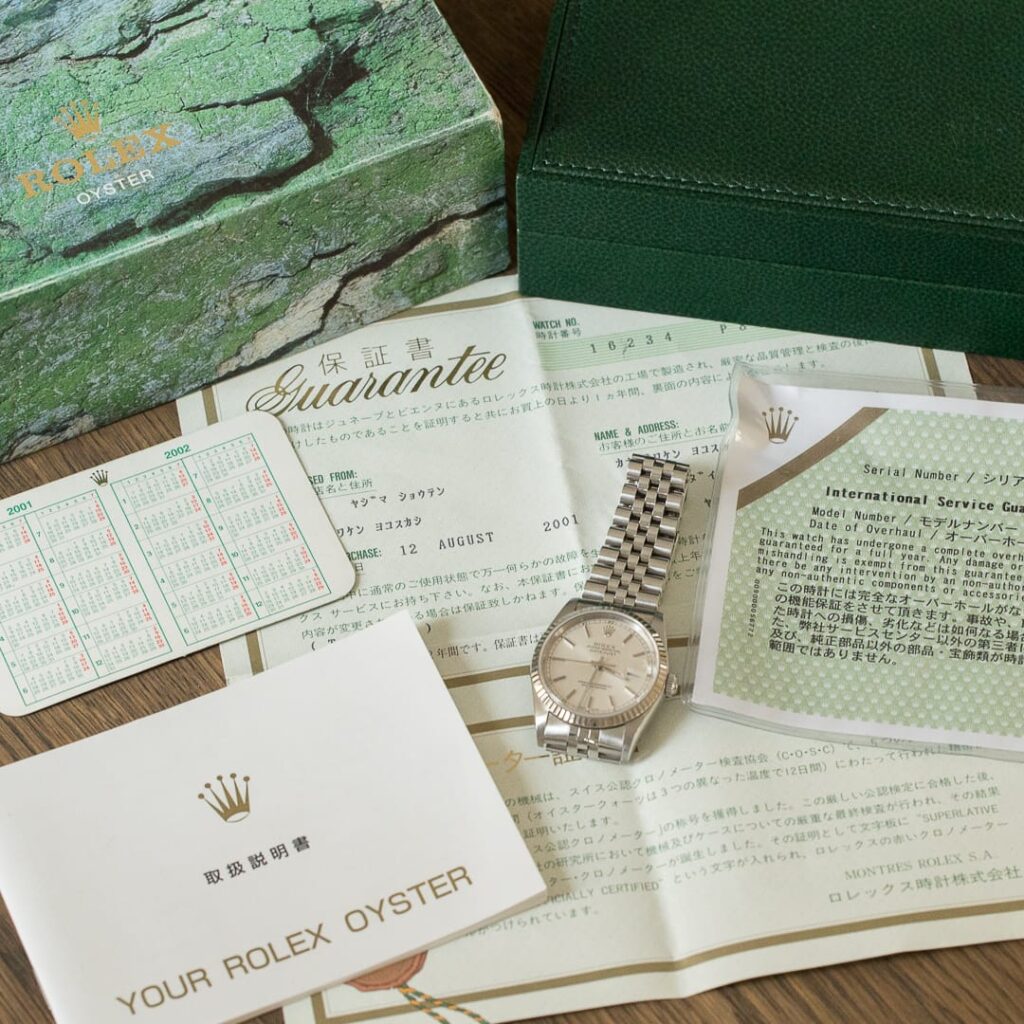
A lot. It’s been a complete change in consciousness. Social media has globalized the market in a way we couldn’t have imagined twenty years ago. Sure, you still see people who are afraid to click “buy” on Chrono24 if the seller is in Asia—they worry about taxes, or the lack of proximity if there’s an issue.
But social media has pulled back the curtain. It shows collectors that Hong Kong isn’t a “market of fakes.” It’s a sophisticated community, a vibrant ecosystem of collectors, dealers, watchmakers and component suppliers. It has made the global market more tangible. Perhaps surprisingly for some, if you’re looking for “franken-watches,” you’re much more likely to find them in the States these days than in Tokyo.
What about the risk of fake documentation? That’s often the first thing skeptics point to.
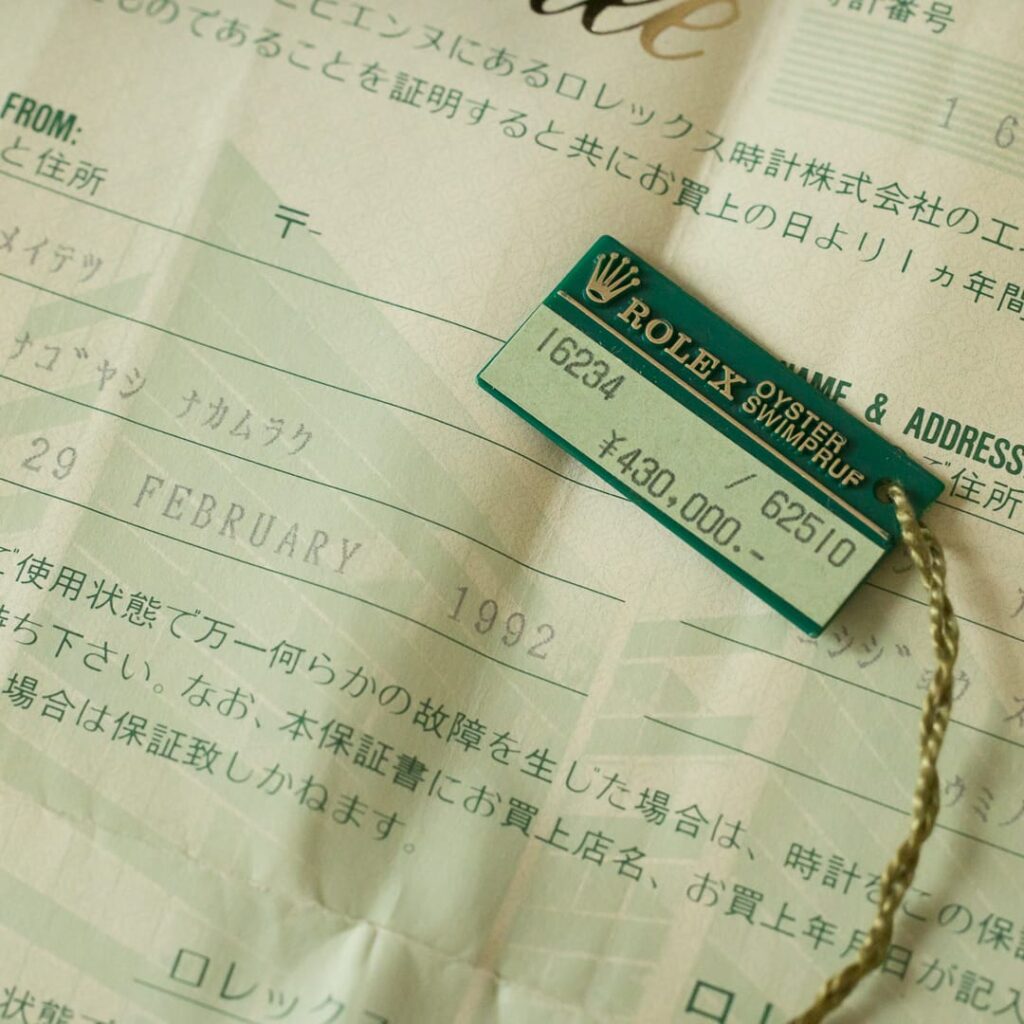
I’m actually less afraid of “fake” Asian papers. Look, papers don’t truly help with authentication; if someone has the skill to forge a high-end watch, they can certainly print a piece of paper. But think about the logic: if a forger is going to make fake papers, they’ll mark them as European to “reassure” inexperienced buyers. They aren’t going to forge Hong-Kong stamps.
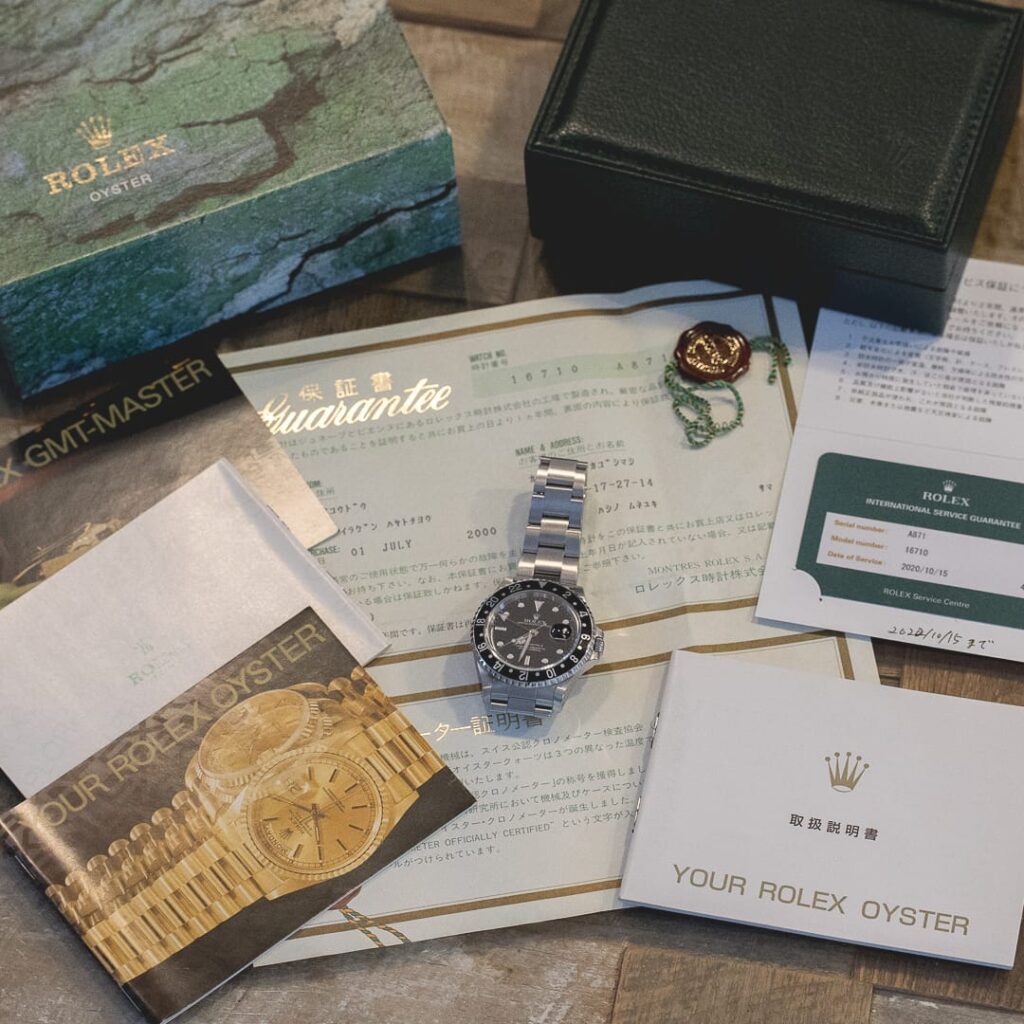
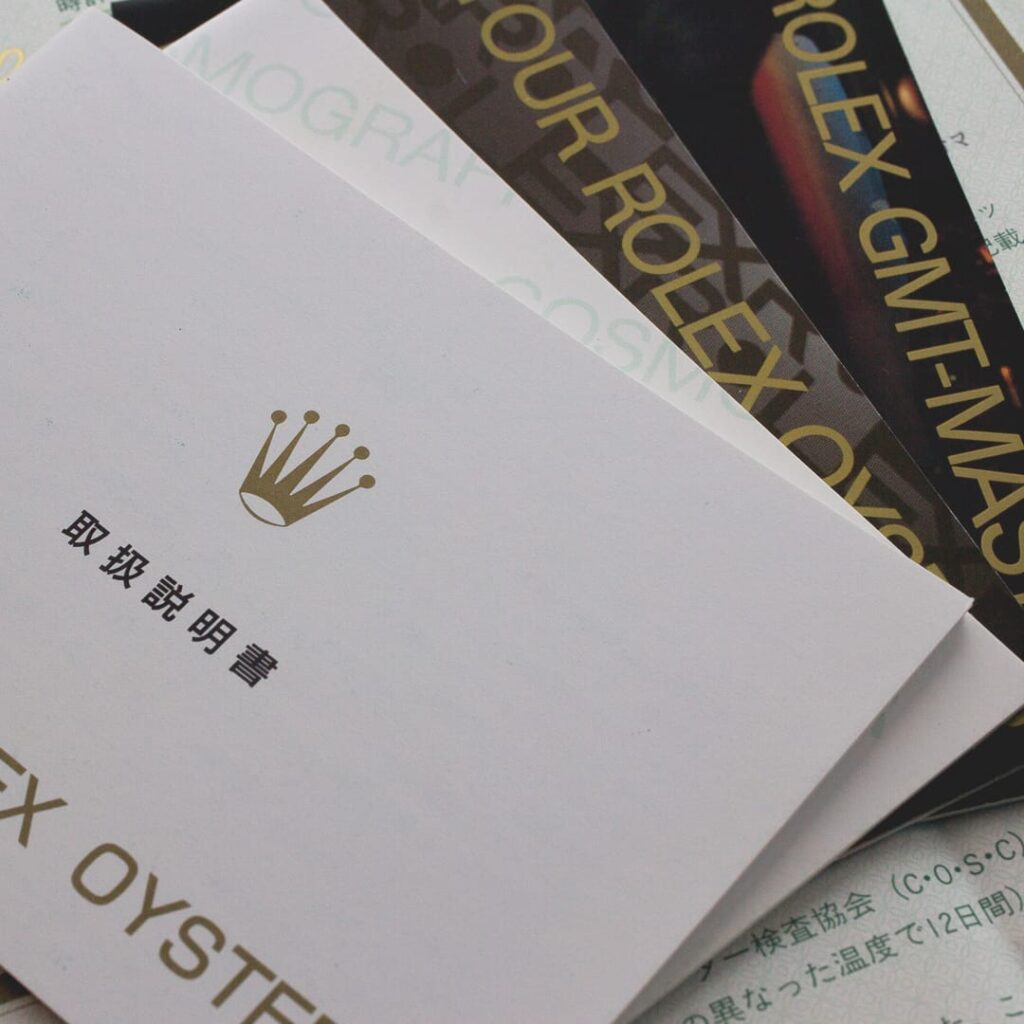
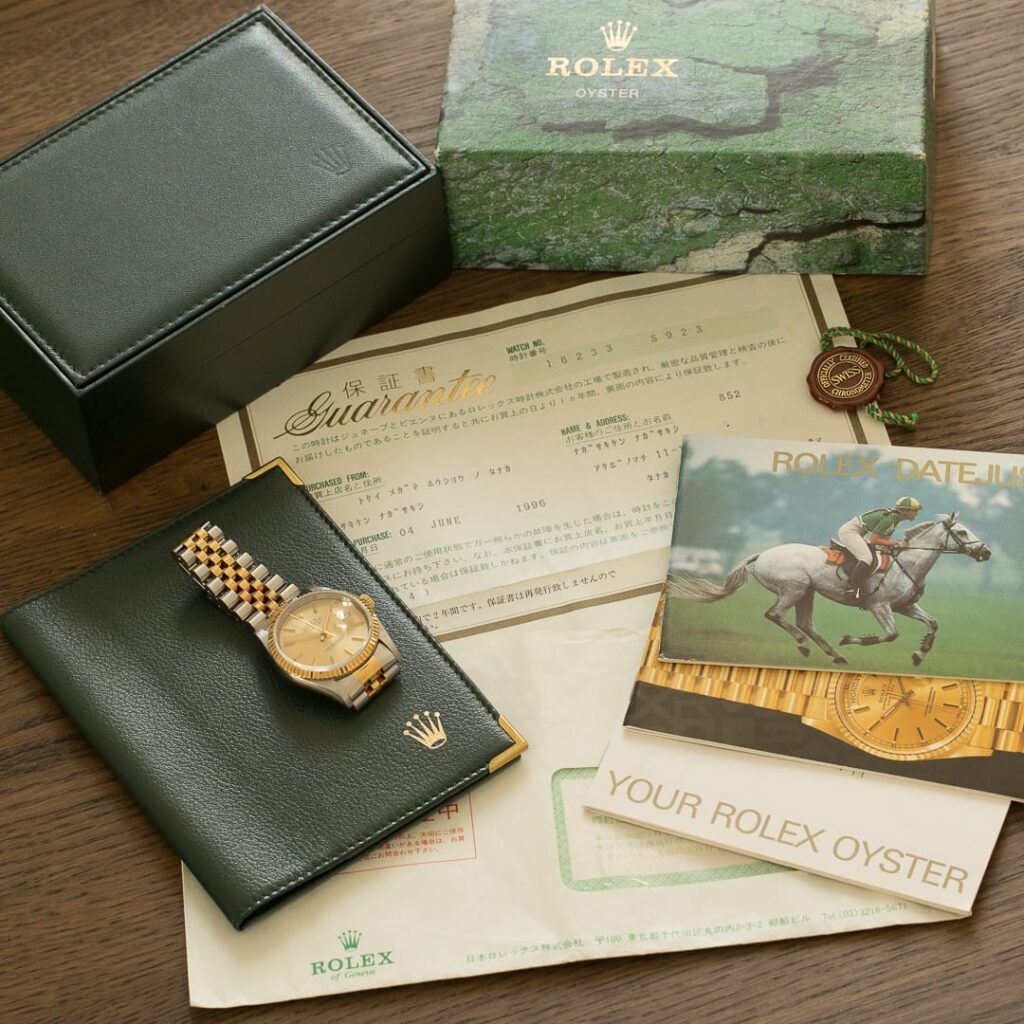
Furthermore, Japan is unique. Rolex produced particular papers specifically for the Japanese market. While the rest of the world—US aside—got a standard French set with a translation booklet, Japan had its own dedicated system. Those are rare, distinct, and counterfeits much less common.
You mentioned that condition is often better in the East. Is that a cultural difference in how watches are treated?
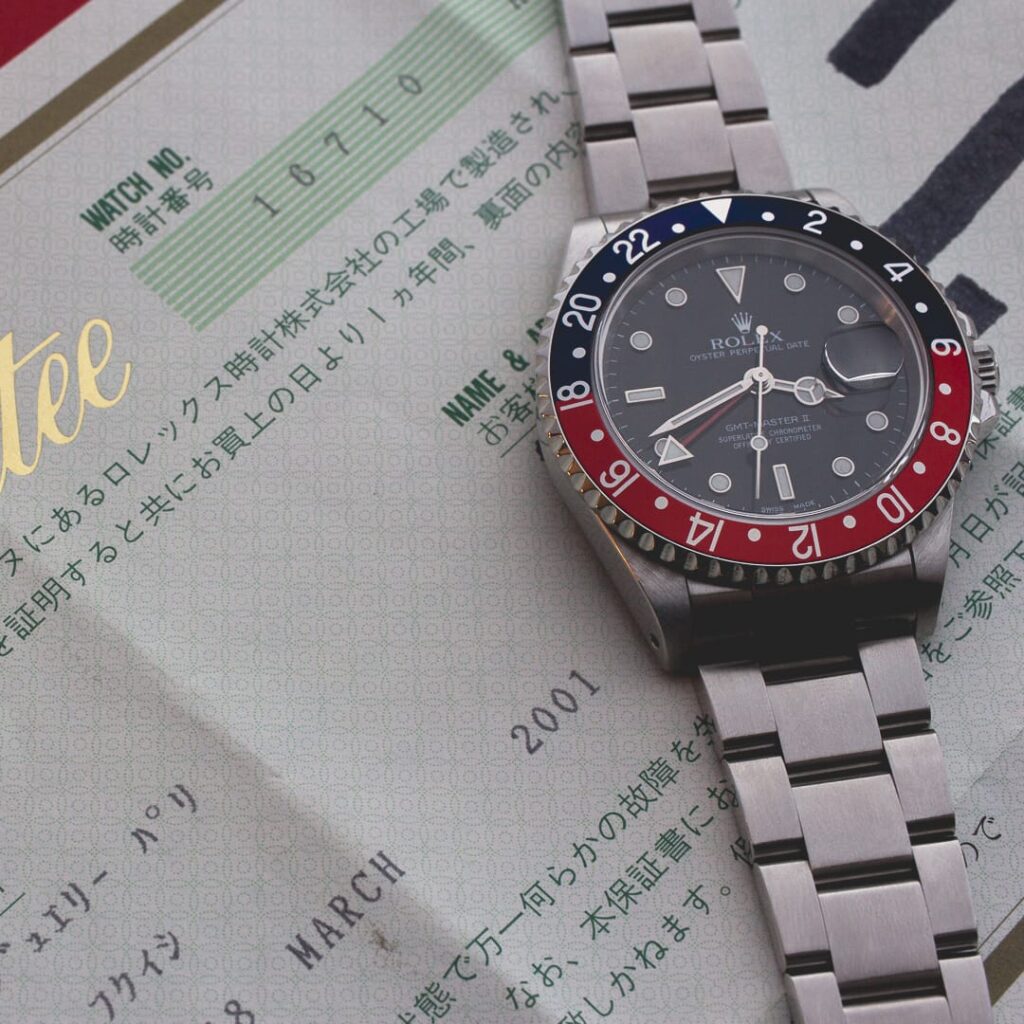
Absolutely. There is a deep-rooted tradition of treating a watch as a valuable object to be passed down. In Japan, specifically, there is a wealth of “untouched” neo-vintage. People made a lot of money in the 70s and 80s and bought the best. Then, when the recession hit, those watches went into safes or drawers.
Where are you looking specifically?
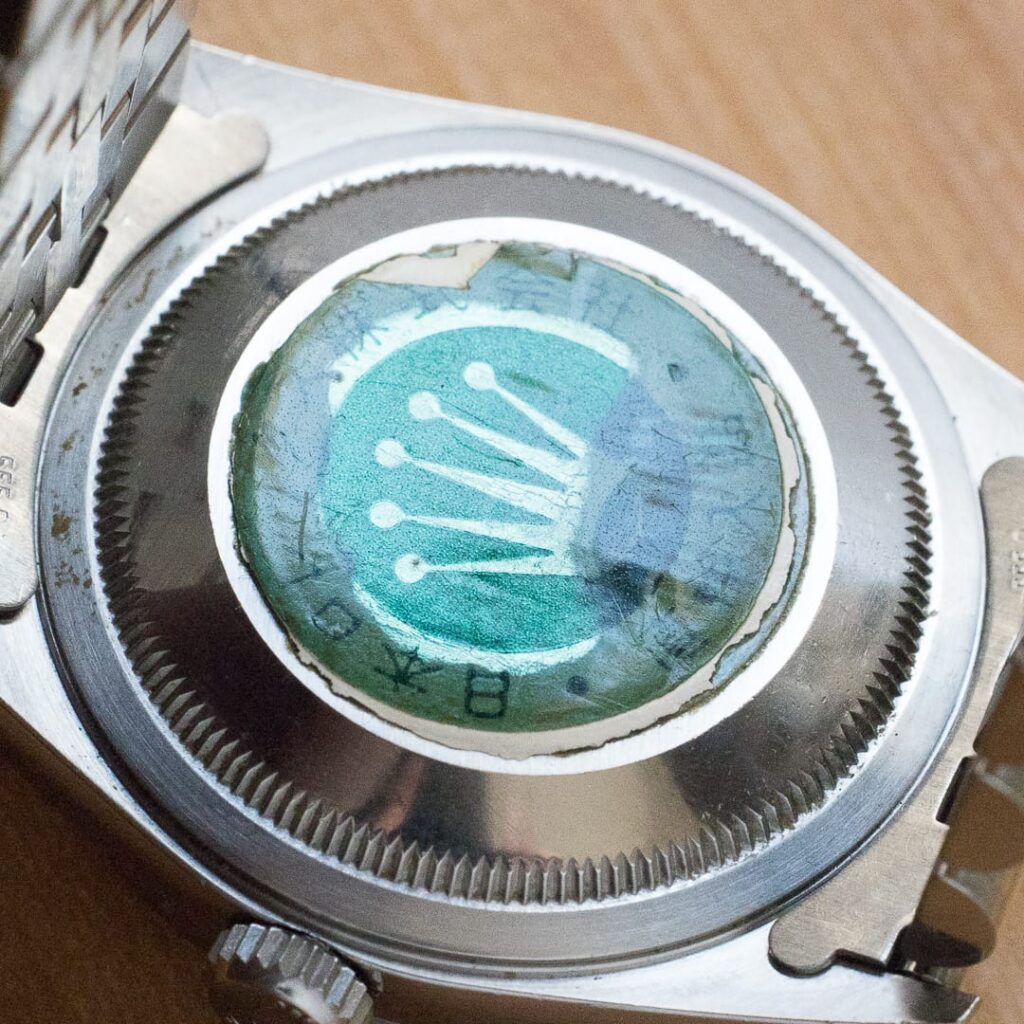
Hong Kong remains a massive hub—many of the legendary stores from decades ago are still there. (Note: we actually tested, with Alex taking a random box in his inventory with a HK stamp from 30 years ago; we were able to instantly find the AD on Google Maps!). Singapore is huge, too. Historically, people would travel to HK to buy tax-free, so I’ve bought watches in Europe or the US that were originally sold to a first owner in Hong Kong.
In Japan, we see a lot of “first owner” pieces coming through pawn shops. Often, it’s someone who bought it on vacation decades ago for tax reasons and is now liquidating. You don’t see this in China—the Communist era meant there was very little luxury traffic back then.
You made a bold claim about the US market having more “franken” watches. Why is that?
I think playing around with watches—swapping parts, “improving” them—is a very American or European habit. Japanese sellers are incredibly straightforward. In my experience, if they make a mistake, they admit it. They aren’t trying to screw you.
In the US, I’ve had many issues. I bought several watches from US dealers announced as serviced where the oils were bone dry, or claimed as fully original with several parts that weren’t. The issue here is not the watch themselves but not being clear from the onset about their exact condition or status.
How do you actually manage your sourcing there?
We have several suppliers, typically via an auction system dedicated to professionals. For instance, a highly organized network of about 160 pawn shops. They can be a bit ruthless in business, but they are transparent. We also work with individual stores, who have listings for the public on Chrono24 but also separate prices for professionals.
I also travel there personally to maintain the network and establish face-to-face relationships—we’re moving 200 to 300 watches out of Japan per year.
Any advice for someone looking to buy from these Japanese networks?
You have to ask the right questions. Don’t just ask “is it good?” Ask: “Is the insert period-correct or a later service replacement?” In Japan, they don’t really negotiate on price, but they will give you the truth if you know what to ask for.
Photos courtesy of Veritas Watches



This is actually very useful. Thank you Alex and Alex!