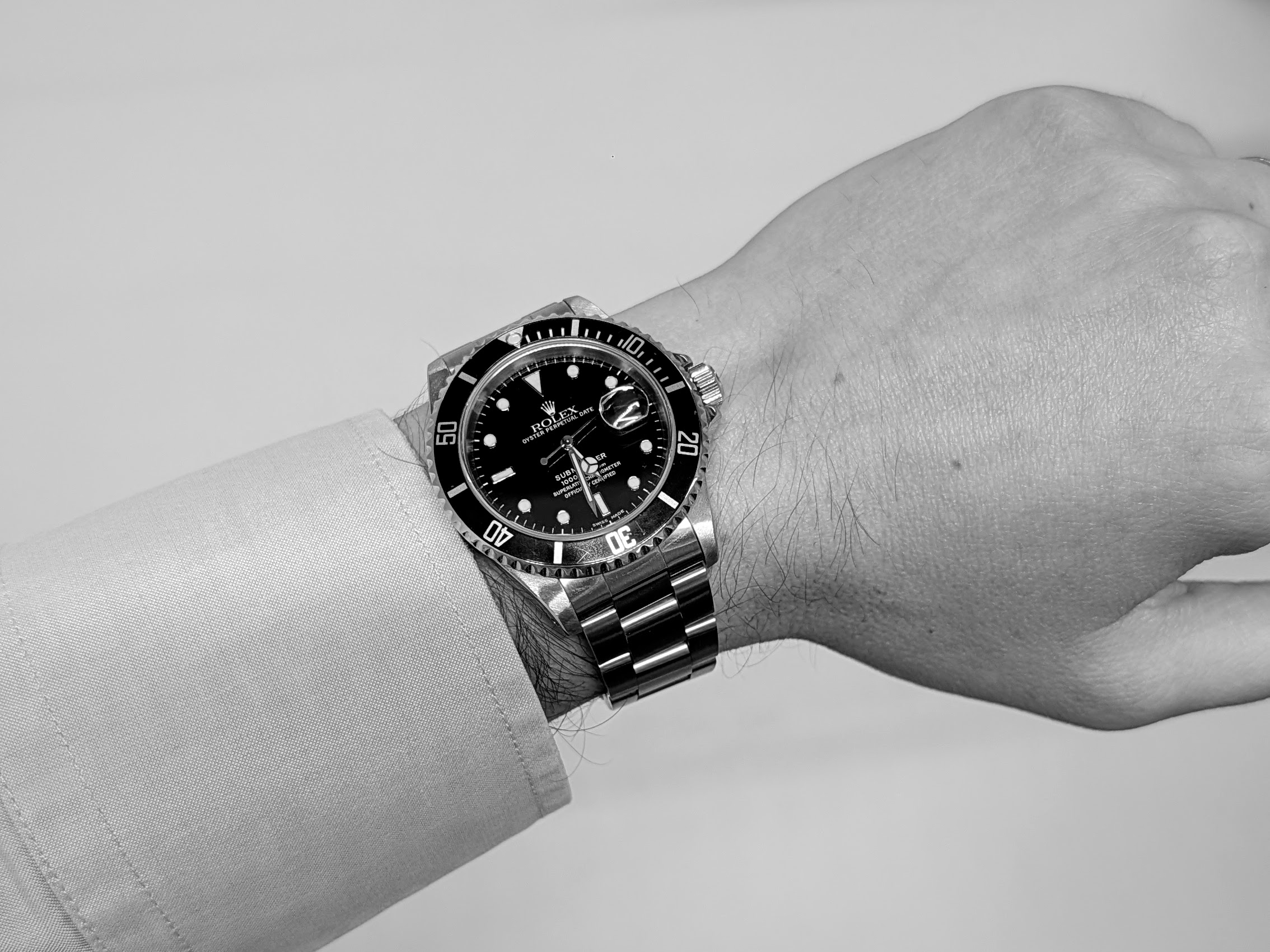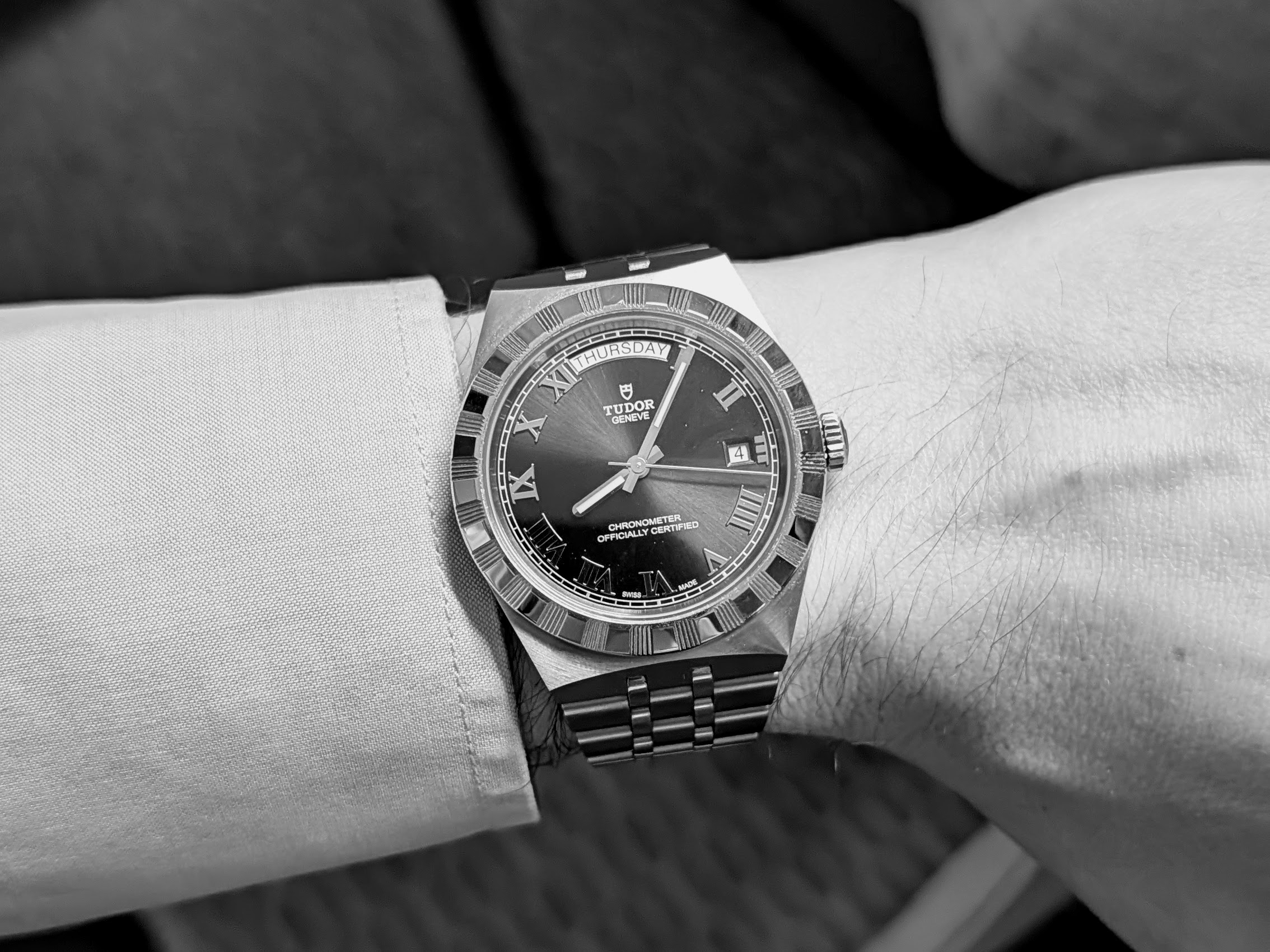

Over the years, I’ve never quite known how seriously to take my supposed “addiction” to watches. I initially would use the term mostly as a joke. More often than not, I looked at my passion as nothing more than an intense hobby. After all, who am I hurting? This isn’t gambling or alcohol. I’ve always been fortunate to keep my spending reasonable, never crossing the line where it would impact family finances in a material way. Especially with watches holding at least some of their value, and personally not getting attached to them, the financial equation has been pretty insignificant, net-net, over the years with my in-and-out approach to collecting.
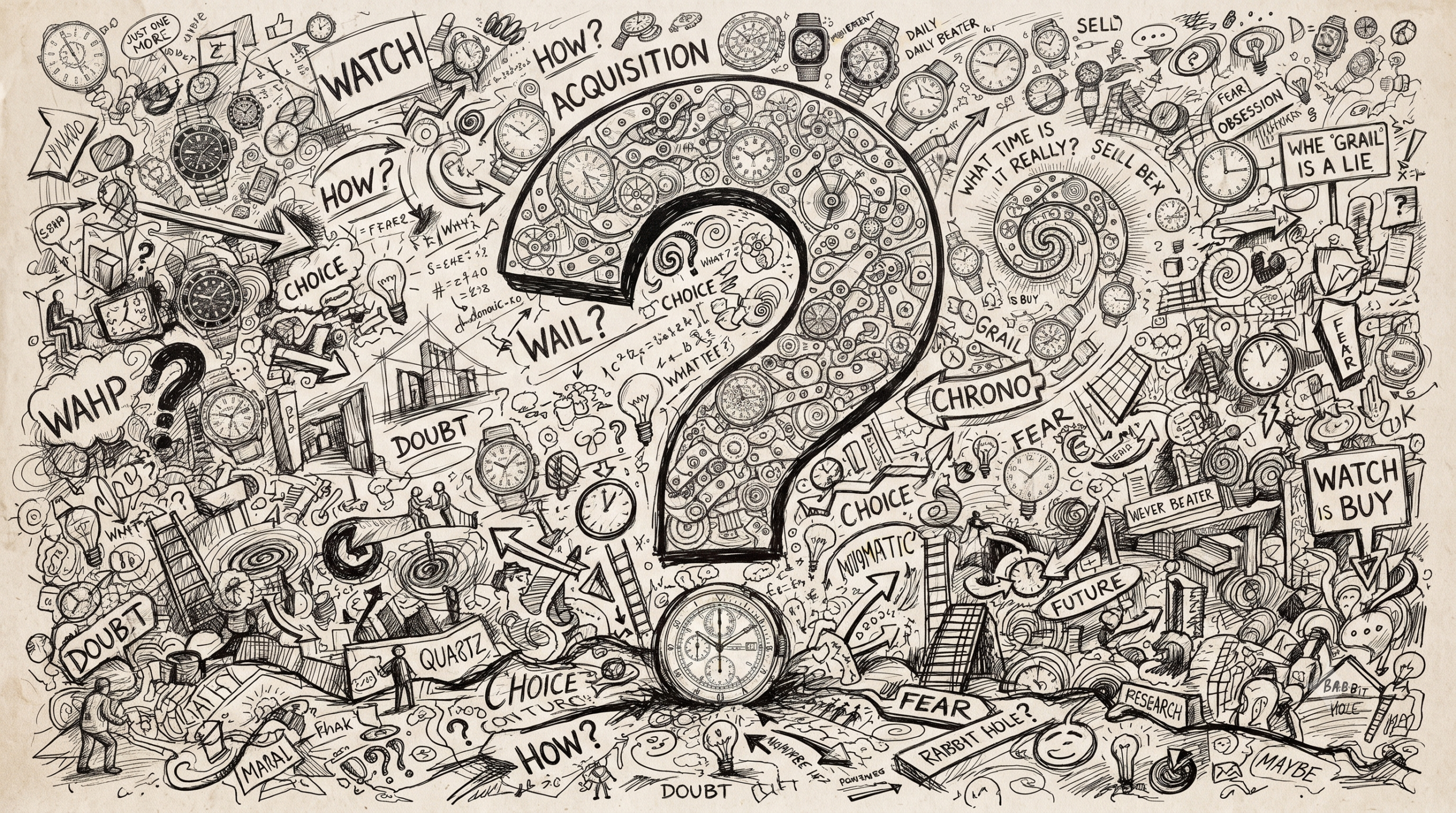
Where my behavior starts to be more questionable is in terms of the time and intensity I dedicate to watches throughout the day. When watches are not in front of my eyes, they’re often on the back of my mind. And that has been consistent for the past 12 years. This constant thread in my head is what struck me the most as addictive behavior when I interviewed psychiatrist Dr Jean-Marie Sengelen for this blog last year.
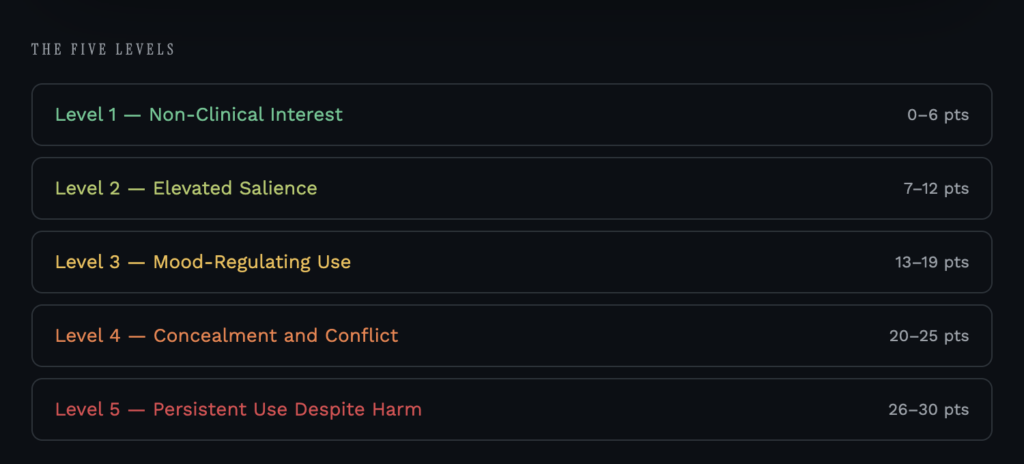
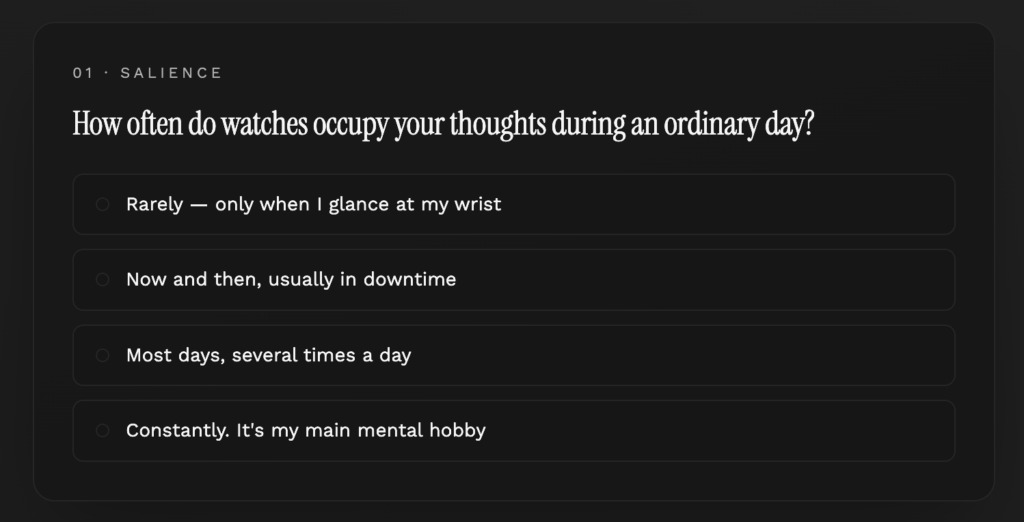
Many folks in the community reached out after the interview was published; clearly, it hit a nerve. We since discussed with Dr Sengelen creating a short online test based on widely-accepted addiction studies to help collectors situate themselves. We also wanted to make sure the test provided some parctical tips based on the results. The goal is certainly not to encourage folks to stop enjoying watches; rather, it is to make sure they are enjoying them in the most mentally healthy way possible.
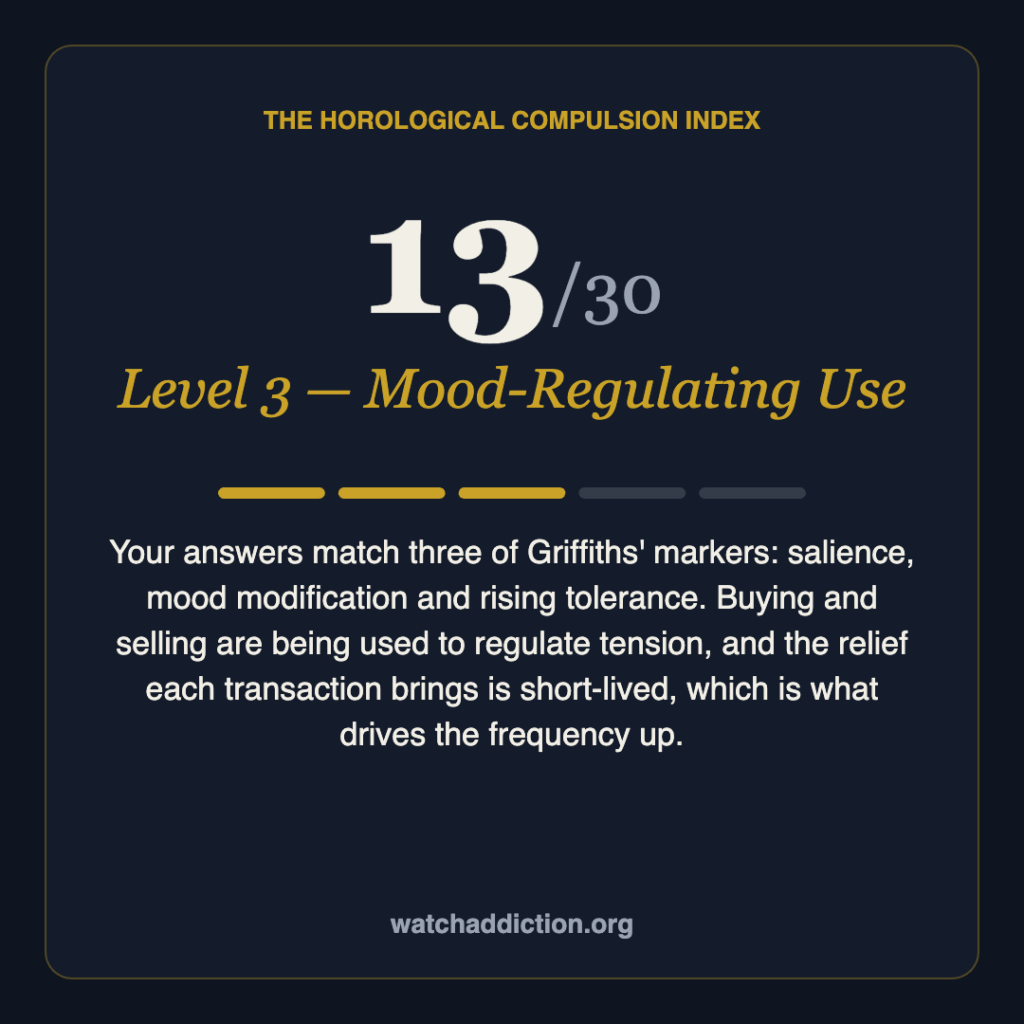
Well, the ten-question test is now available on watchaddiction.org. I personally ranked at level 3 out of 5, “mood-regulating use”, and must admit I didn’t love how true that sounded. The tips it recommended in my case included obvious ones, such as pausing the social media envy-feeding, but also some more interesting approaches such as writing down how much I spend (and sell) in watches over the next 6 months and then reading it out loud. I likely won’t apply all of the behavioral suggestions, but will try a few. I certainly find it helpful and somewhat relieving to have a framework.
The test is fully anonymous and requires no sign up of any sorts. More importantly perhaps, it is entirely non-judgemental, both in intention and in tone. And while stating the obvious, just to make sure I don’t have to spend my watch budget in court, let me be clear: it’s just a self-assessment tool, not an actual medical diagnosis. I hope you find it useful and will be keen to hear your thoughts if you decide to try it.