


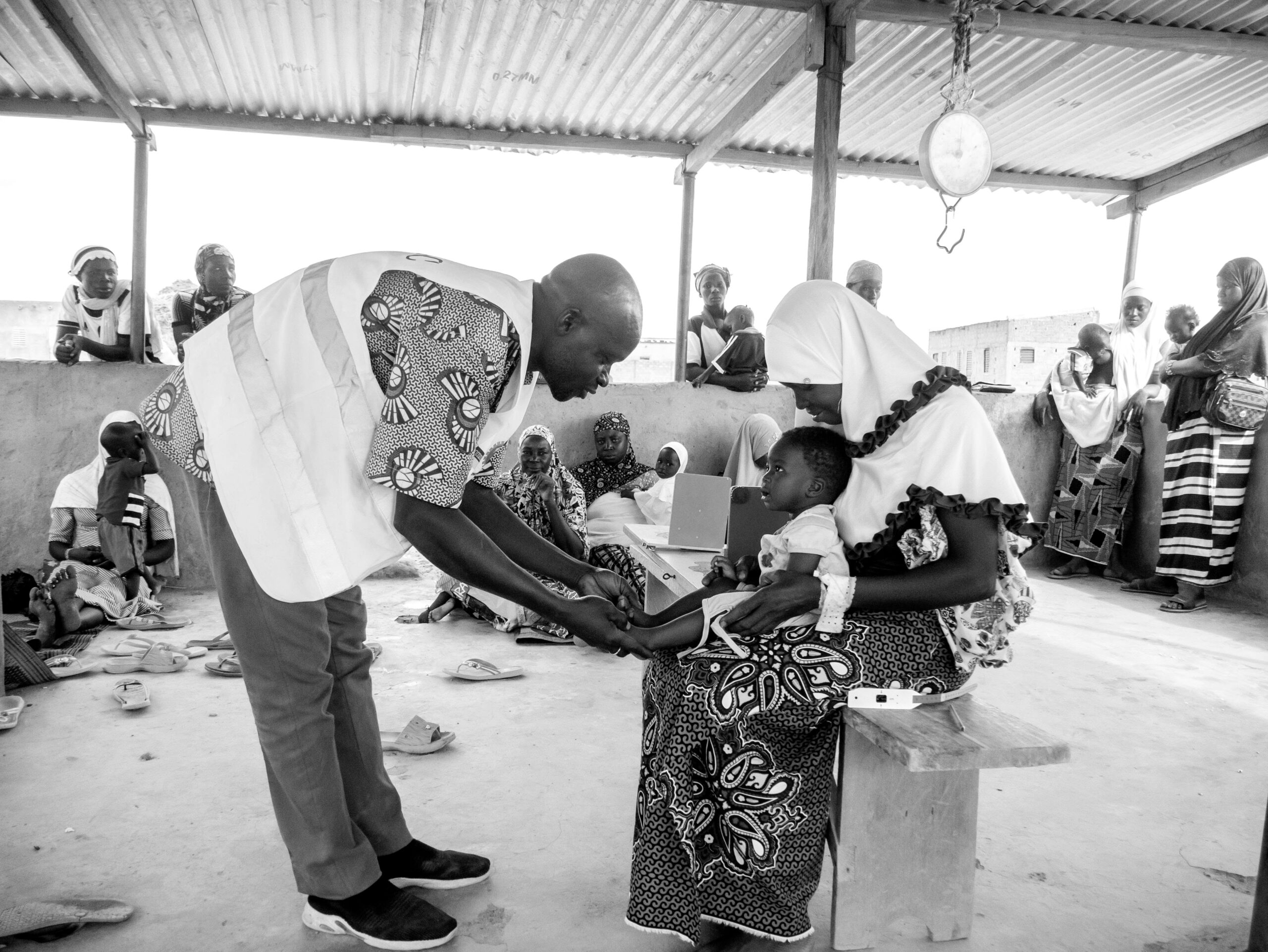

While the reason for my trip to Dakar is for the kids to spend time with their cousins, and my wife and I to spend time with her family, I was particularly looking forward to the opportunity to visit the Terre des hommes Africa headquarters. Isabel Zbinden, from the HQ in Lausanne (and my neighbor in Bienne!) put me in touch with Nicolas Charpentier, the organization’s regional Director, and its Deputy Director Eric Hazard, who kindly made time to host me despite their busy schedule and being in the middle of an office move.
Nicolas is a seasoned leader in the NGO sector, having previously held senior positions at Handicap International and ACF. With a background in finance and administration, he originally joined Terre des hommes heading up their efforts in Burkina Faso. Eric holds both French and Senegalese citizenships. While he only joined Tdh last year, his experience in international aid is extensive, including responsibilities previously held at Oxfam, Save the Children and Enda.
I went to meet them in their brand new offices on a sunny Friday morning, a few meters away from where my eldest son went to kindergarten 12 years ago, back when we still lived here. While I walked down memory lane with a hint of nostalgia for our former life here, I was quickly brought back into the present and future of the critical work Terre des hommes is doing in Sub-Saharan Africa.
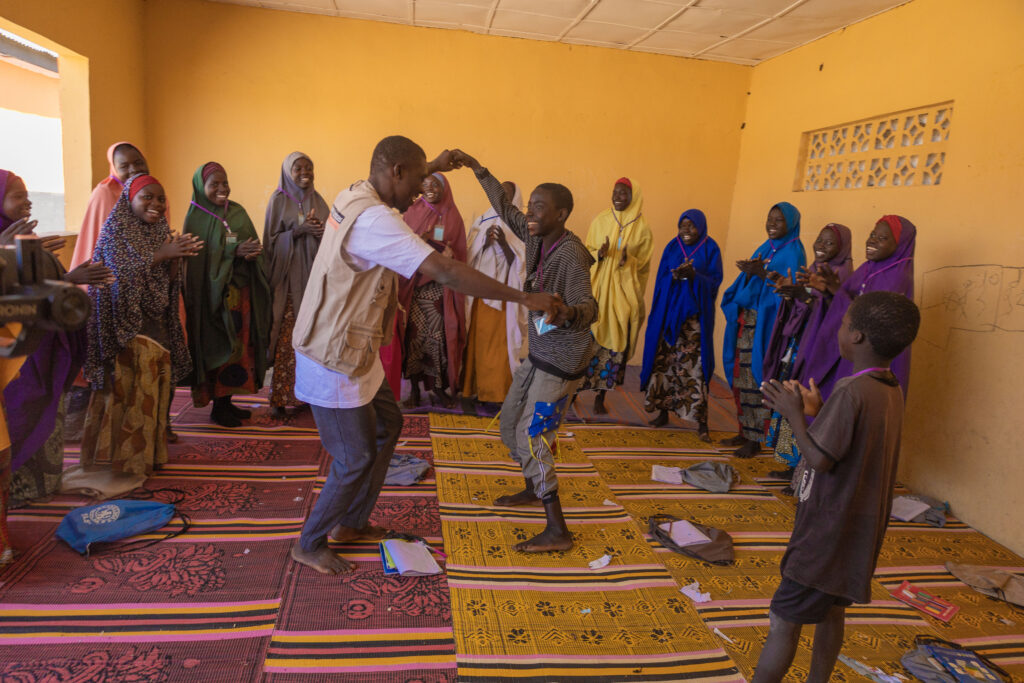
Spoiler alert: after two hours with Nicolas, Eric and their team, I left more motivated than ever to continue modestly supporting the organization’s work. Perhaps more than anything, I was hugely impressed with the acute skills and vision of the people leading the efforts in the region.
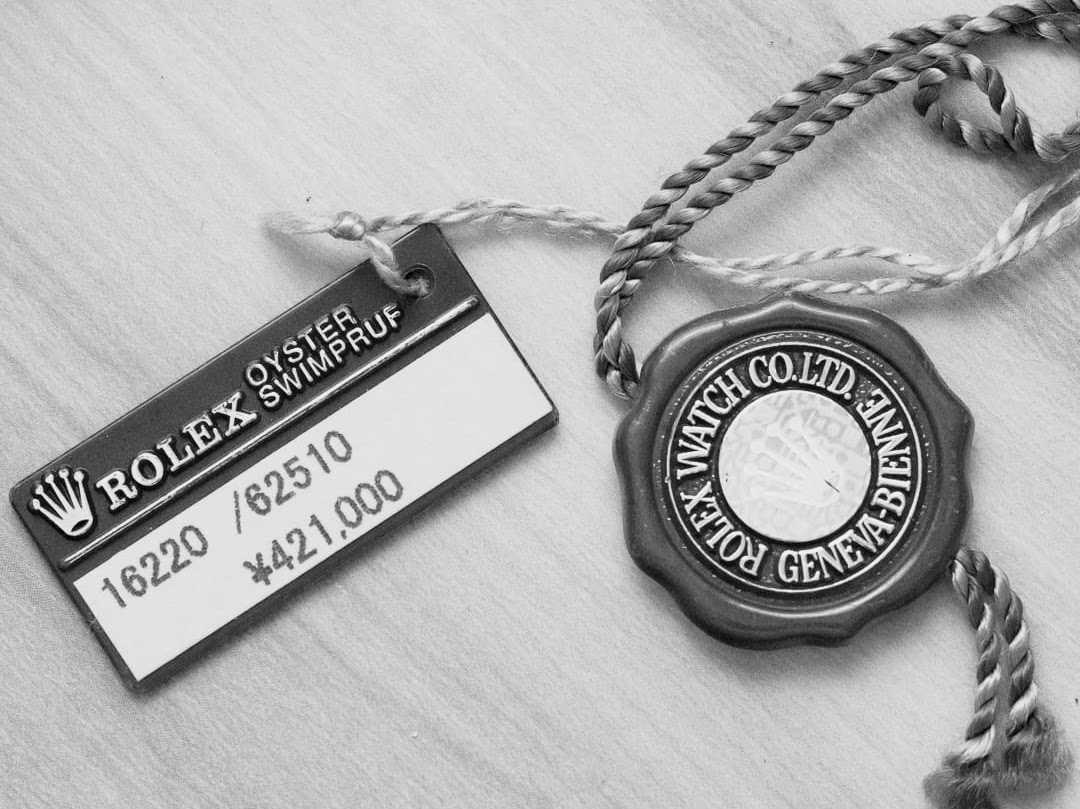
While I realize our annual Charity Watch Sale is a very humble contribution to the impact and needs of the organization, I’m also pleased to take advantage of this article to announce that we now have an official date for the third edition, November 28th, and an awesome location I can’t wait to reveal.
The Health Revolution: High Tech, High Impact
Health is front and center of Terre des hommes’ action in Africa. I had the privilege of being walked through the organization’s actions in the region by their Regional Health Coordinator, Karell Pellé. Her strong background includes a PhD in Public Health at Harvard and a previous position in Dakar at the Pasteur Institute.
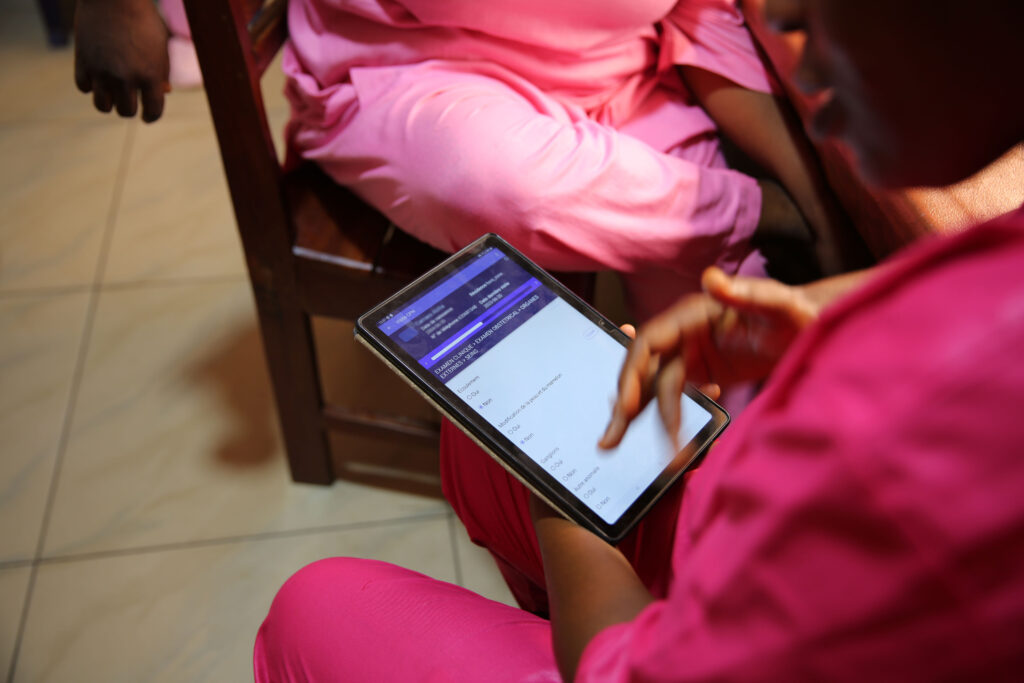
Currently, 4 out of 5 Tdh beneficiaries in Africa are reached through health programs. In 2024 alone, nearly 4 million beneficiaries were reached. And the way they deliver this care creates a paradigm shift. By making digital technology at the center of its approach to health in Africa, Tdh is leapfrogging traditional barriers.
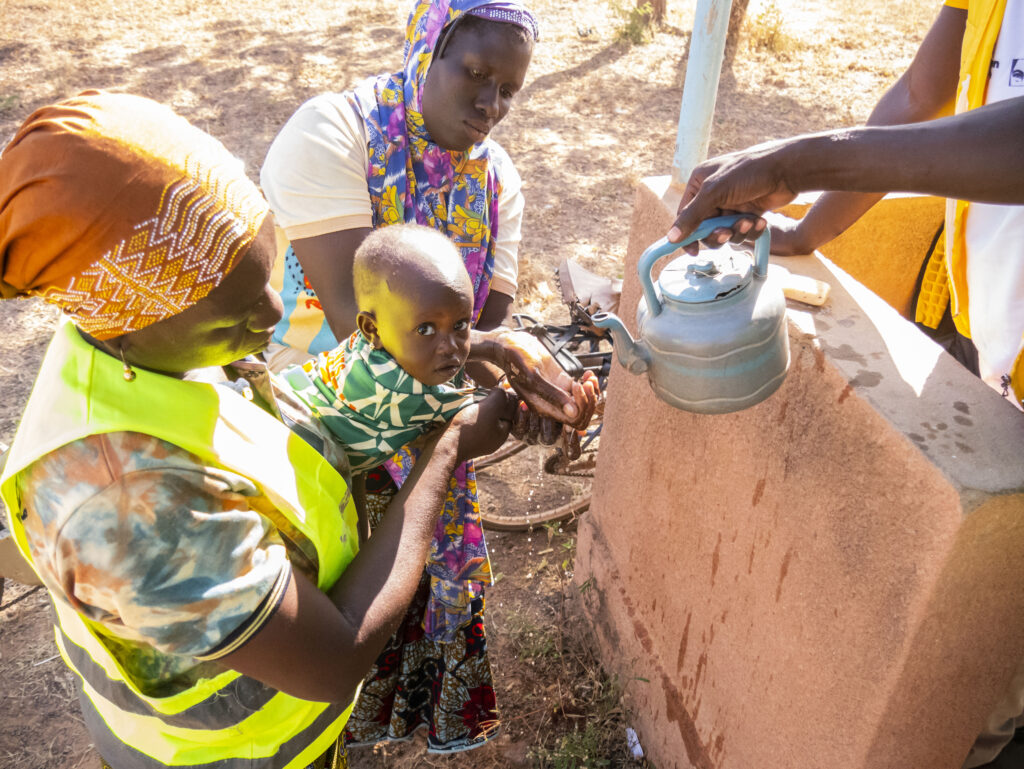
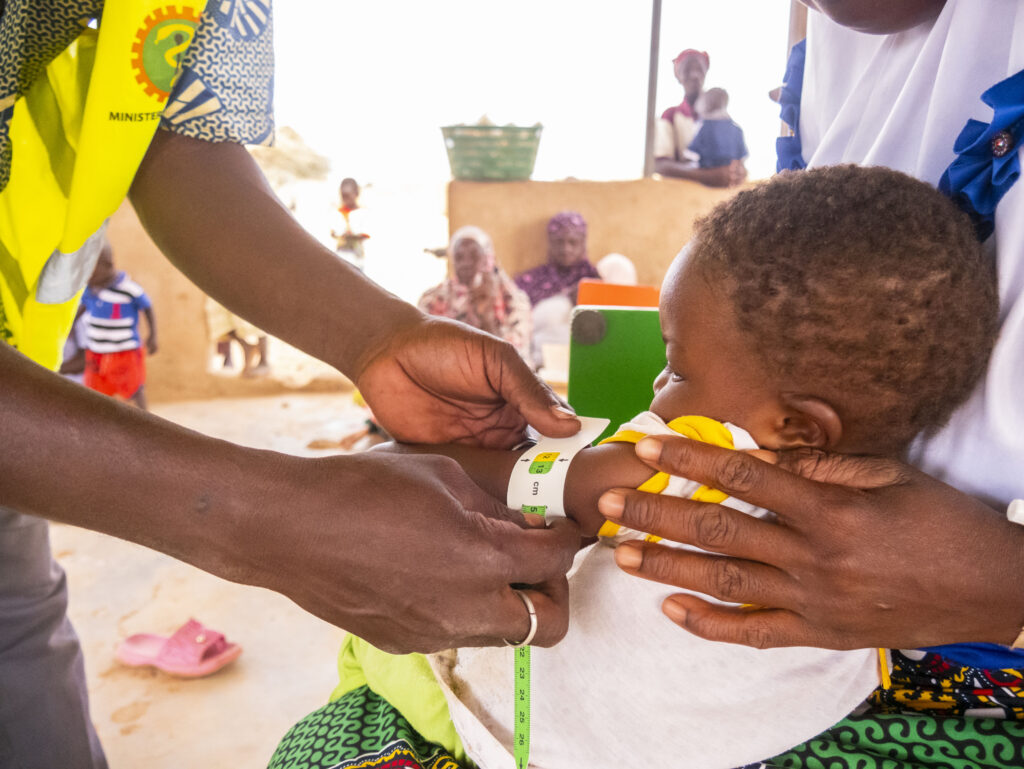
A key pillar of the program is IeDA (Integrated e-Diagnostic Approach). The digital tool—already discussed in an earlier post—helps over 6,000 health agents in roughly 2,000 centers diagnose the primary causes of death of children under 5—malaria, diarrhea, malnutrition, anemia, and acute respiratory infections. It has also reduced antibiotic over-prescription by 15%.
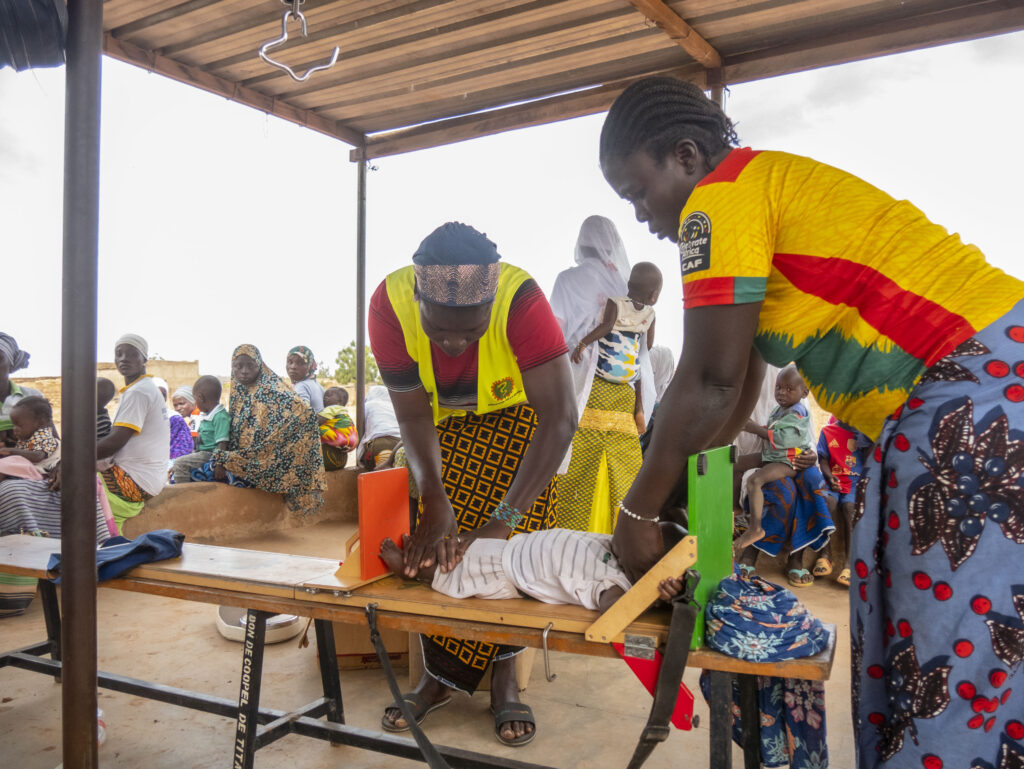
Another initiative worth mentioning is SIMONE, a simulation-based training for midwives. Contributing to fight the 260,000 maternal deaths occurring annually around the globe, it has boosted clinical performance from 37.4% to 82.8%.
Finally, e-Health Surge is a digital early warning and response system that predicts “peaks” in patient demand due to seasonal diseases, conflict-related emergencies or climate-driven crises, helping health systems prepare before capacity is exceeded.
Migration: Choosing Protection Over Politics
One of the most striking parts of our conversation for me, because I’m less familiar with Tdh’s work in the area, was about Mobility and Migration. I was fortunate to also have the Regional Coordinator for that program take me through their work. Dossou Ibrahim Lawani holds a degree in Law, and previous experience in the NGO sector including as a Senior Advisor for Save the Children.
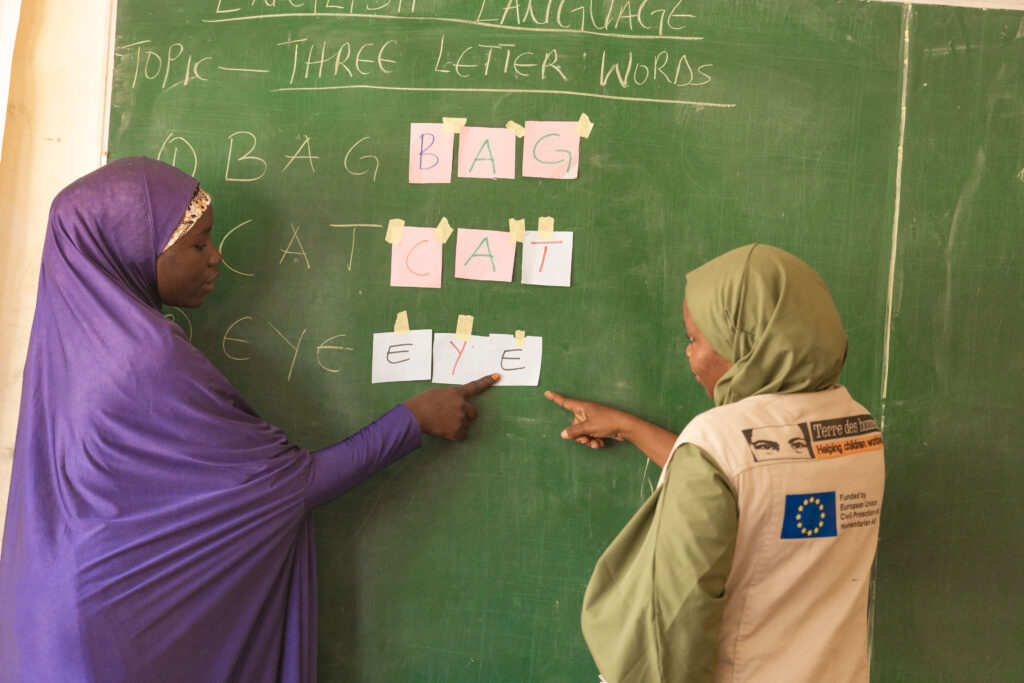
He explained that while some bilateral donors are currently focused on “blocking” migration through restrictive migration policies and bilateral cooperation agreements, Tdh remains agnostic, especially in a continent where migration—both within the continent and beyond—has historically always been strong. Their goal isn’t to stop people or to encourage them to migrate; it’s to ensure that children and youth (ages 0–24) are protected and supported regardless of where they are on the route.
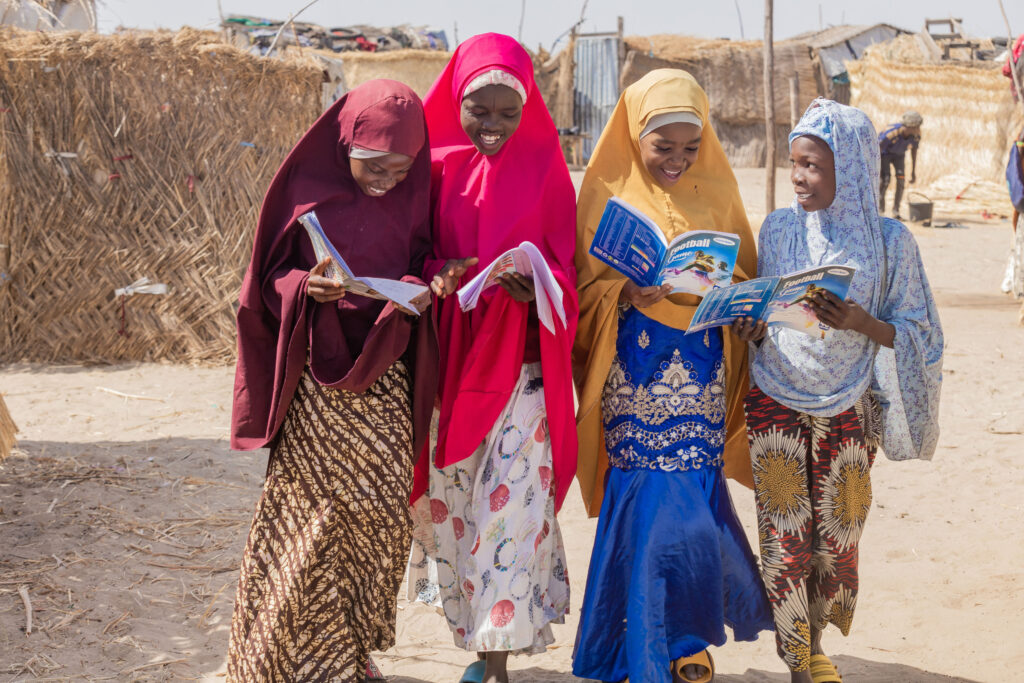
Their approach is focused on the most vulnerable: children and youthrefugees, internally displaced, returnees, migrants, particularly in Sub-Saharan and North Africa. In 2025, they have supported over 180,000 beneficiaries in their migration programs in Africa. Beyond immediate aid, Tdh also provided formal and non-formal education to nearly 15,000 youth in 2025, to ensure their long-term resilience. 70% of those in their employability pathways are young women.
The Emergency Pivot: The RED Unit
Finally, we took advantage of Laurence Gaubert being in Dakar this week from Lausanne to have her and Rose Vandenhoven tell me about the Rapid Emergency Response to Disasters (RED) Unit. Laurence Gaubert is a former Senior Program Manager at Médecins Sans Frontieres, now in Lausanne with Tdh, where she had graduated from the city’s prestigious EPFL. Rose Vandenhoven, Operations Officer in the Dakar office, is in the earlier stages of her career after a previous experience with Doctors of the World.
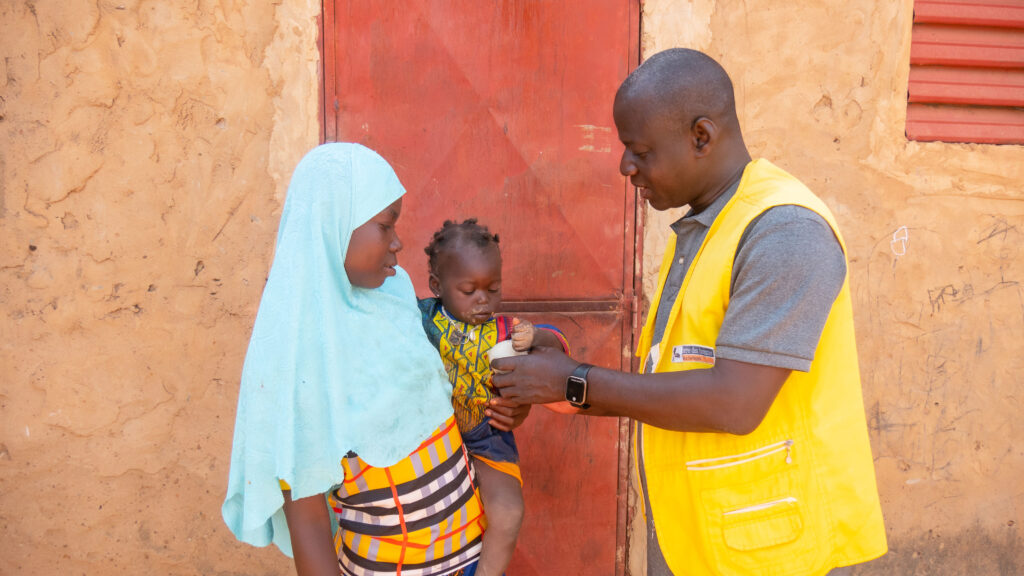
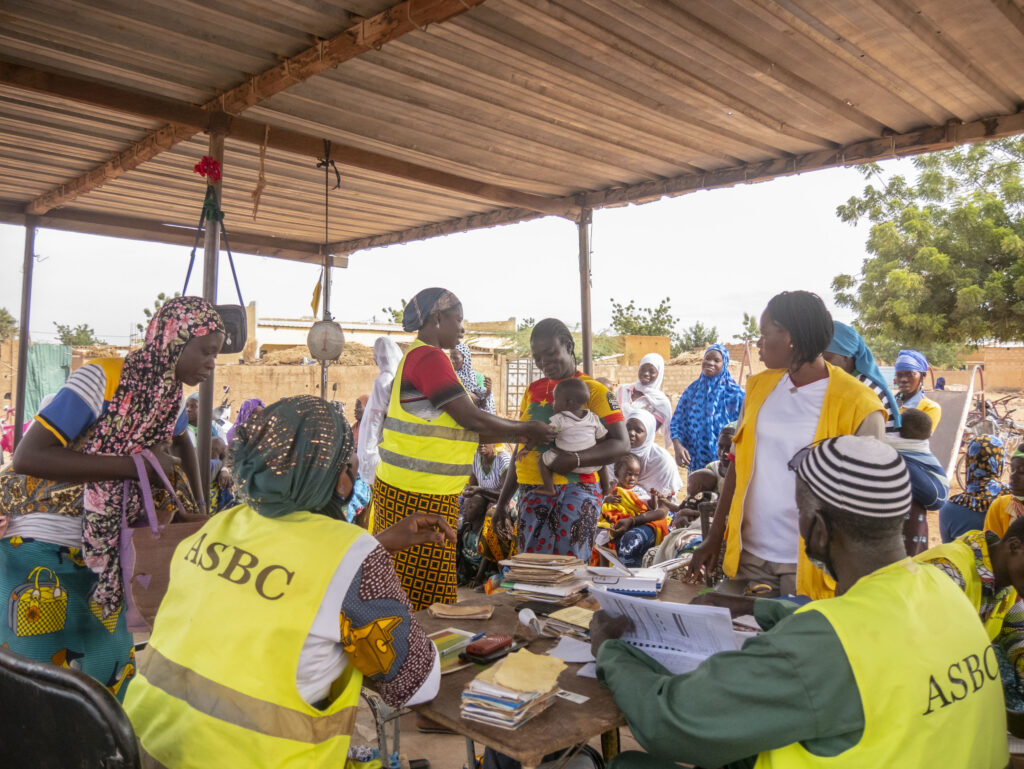
Emergency projects now make up 31% of the total Tdh portfolio, with 63 active emergency projects across 15 countries. Africa itself is the region with the most ongoing projects, focused on education and protection during emergencies, along with health and nutrition. The main countries are Burkina Faso, Mali, Nigeria, Kenya and Burundi.
What struck me about the RED Unit is how it leverages a deep presence in each country where they operate to always be ready to intervene in the most effective way. It’s not so much about sending out people and goods on planes immediately after a crisis breaks out as it is about creating local ties and knowledge over decades to know what to do when things go wrong. For instance, Tdh have been in Burkina Faso for 40 years. Their staff of 530 in Africa are mostly local experts, not expats.
The Funding Cliff and the USAID Shift
We have to talk about the elephant in the room. The funding landscape is currently brutal, as previously discussed with Tdh’s Stephanie Simpson. A 40% shortfall in global humanitarian budgets, combined with a “USAID Paradigm Shift,” has also somewhat made it socially “acceptable” for states to continue pulling back their aid.
Tdh is seeing annual funding cuts of 40% to 50% in some programs. Its Africa portfolio budget specifically has dropped 15% between 2024 and 2026. As Tdh would rather provide high-quality, transformational support to a smaller group than offer a “low-quality band-aid” to everyone, this has meant reducing the number of beneficiaries. It’s a heartbreaking but deeply principled stance.
It’s difficult to see how this will be resolved in the near future. While it makes sense for some programs to be absorbed by governments, this certainly cannot be done overnight. The private sector is often considered the obvious substitute, but the skills and strategic incentives of businesses, their owners or their foundations are not necessarily aligned with the needs and long term strategic consistency needed in international aid.
Closing thoughts
At the opposite end of “pop-up” NGOs, Tdh’s stability is one its greatest assets. Their average presence in a country exceeds 30 years. But what makes the organization so valuable is how the stability is constantly maximized by a strong culture of innovation, challenging the status quo with deep subject-matter expertise. People often wonder how effective funding is in philanthropy. While I’m no expert, it is clear to me that between the quality of their people, the depth of their methodological knowledge and their tireless motivation, the ROI for funds allocated to Terre des hommes must be among the very highest in the sector.
Wangari Maathai, a Kenyan Nobel Peace Prize laureate, once said: “It’s the little things citizens do. That’s what will make the difference. My little thing is planting trees.” If you want to plant a tree in the worthy forrest described above, you can support Thd through this link.
All photos courtesy of Terre des hommes


This is wonderful, thanks for sharing your discovery of TdH in Dakar.
Kind regards, Alexia